
15 Grounding Techniques That Actually Work When Your Mind Won’t Slow Down

The 5-4-3-2-1 Sensory Reset
Cold Water Shock
Box Breathing
Name What’s Actually Happening
Physical Anchoring
Count Backwards (But Make It Weird)
The “Describe Your Day Like a Reporter” Trick
Change Your Environment Immediately
Hold Ice or Something Textured
Set a 10-Minute Worry Timer
Move Your Body (Fast)
The “One Next Step” Rule
Talk to Yourself Like You Would a Friend
Use a Grounding Object
The “Zoom Out” Perspective Shift
Your brain doesn’t need another vague suggestion to “just relax.” When anxiety spikes or your thoughts start racing, you need something practical, immediate, and real. These are the grounding techniques that hold up in messy, everyday moments—not just in perfectly calm environments.
1. The 5-4-3-2-1 Sensory Reset

This technique works because it forces your attention outward. Name five things you can see, four you can touch, three you can hear, two you can smell, and one you can taste. It interrupts spiraling thoughts by anchoring you in your environment.
2. Cold Water Shock

Run your hands under cold water or splash your face. The sudden temperature shift activates your nervous system in a way that cuts through anxiety quickly. It’s not subtle, but it’s effective.
3. Box Breathing

Inhale for four seconds, hold for four, exhale for four, hold for four. Repeat. The rhythm matters more than perfection. This pattern steadies your heart rate and gives your mind something structured to follow.
4. Name What’s Actually Happening

Say it plainly: “I’m overwhelmed because I have too many tasks.” Labeling emotions reduces their intensity. It shifts your brain from reaction mode into processing mode.
5. Physical Anchoring

Press your feet into the ground or grip something solid. Focus on pressure, weight, and balance. It reminds your body that you’re here, not in whatever scenario your mind is inventing.
6. Count Backwards (But Make It Weird)

Count backwards from 100 by sevens or threes. The added difficulty forces your brain to switch tasks. It’s simple cognitive overload—in a good way.
7. The “Describe Your Day Like a Reporter” Trick

Narrate what’s happening around you like you’re reporting live. It creates distance between you and your thoughts, which lowers emotional intensity.
8. Change Your Environment Immediately

Step outside, move to another room, or even just stand up. A physical shift often breaks a mental loop faster than trying to think your way out of it.
9. Hold Ice or Something Textured

Strong physical sensations pull your attention away from internal noise. Ice, textured fabric, or even a rough surface can work.
10. Set a 10-Minute Worry Timer
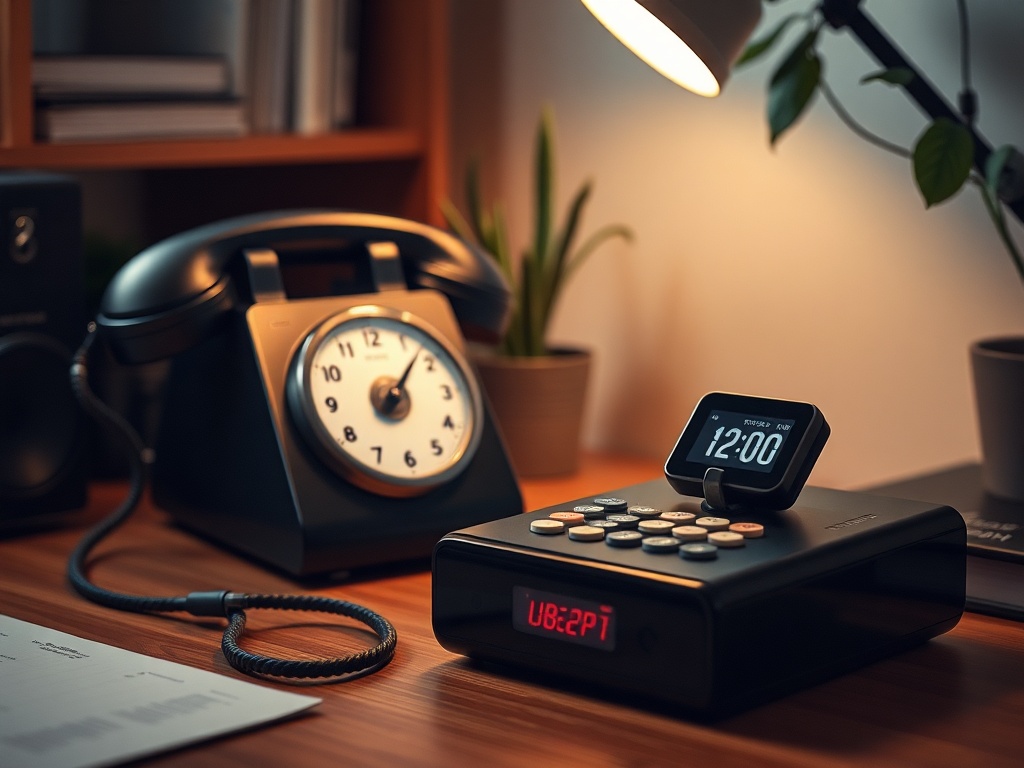
Give yourself permission to worry—but only for a set time. When the timer ends, you stop. This creates boundaries around rumination instead of letting it run all day.
11. Move Your Body (Fast)

Do jumping jacks, pace, or shake out your arms. Fast movement burns off adrenaline and resets your nervous system faster than sitting still.
12. The “One Next Step” Rule

Instead of solving everything, ask: what’s the next smallest step? Then do only that. Momentum reduces overwhelm more effectively than overthinking.
13. Talk to Yourself Like You Would a Friend

If your internal voice is harsh, it fuels anxiety. Replace it with something grounded: “This is hard, but I can handle the next step.”
14. Use a Grounding Object
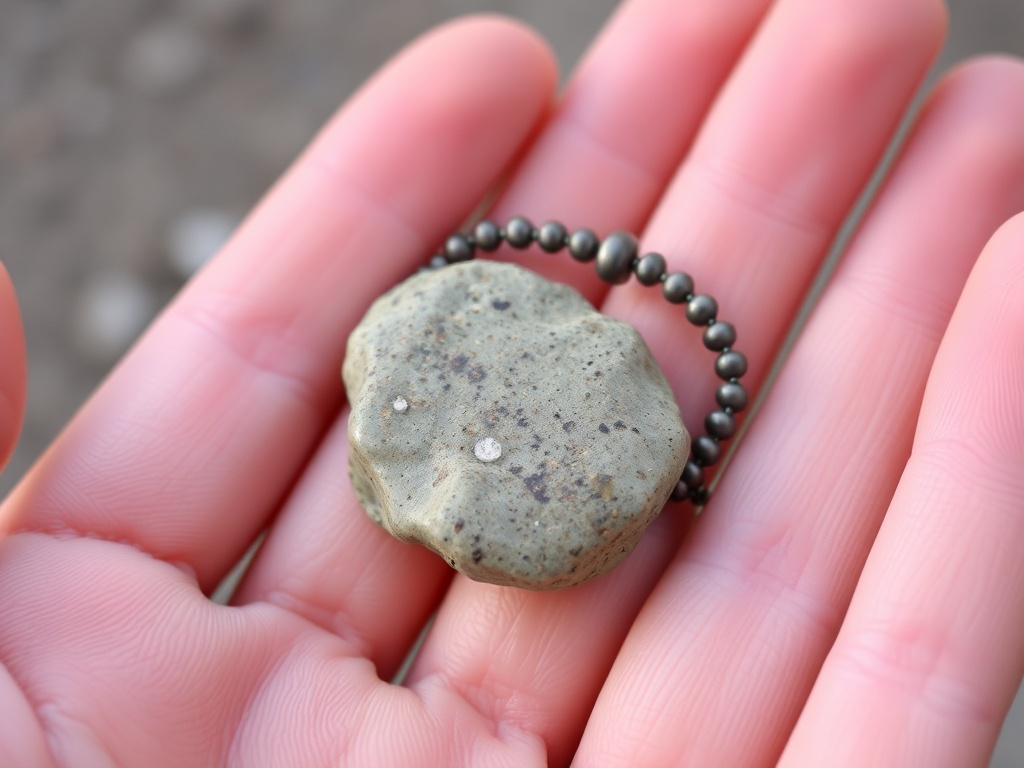
Carry something small—a stone, ring, or bracelet—and use it as a physical reminder to return to the present moment.
15. The “Zoom Out” Perspective Shift

Ask yourself: will this matter in a week? A month? A year? This isn’t about dismissing your feelings—it’s about putting them in proportion.
None of these techniques are magic on their own. The real shift happens when you practice them enough that they become automatic. You’re not trying to eliminate stress entirely—you’re building the ability to respond to it without getting pulled under.
Try a few. Keep the ones that actually work for you. Drop the rest. Your mental health toolkit should feel personal, not prescribed.